

May 21, 2026 · 7 min read
BEST Y2K SURF BRANDS: BILLABONG, O'NEILL, QUIKSILVER & MORE
The Y2K era — roughly 1998 to 2004 — was the peak of surf brand culture. The world surf tour was appointment viewing. Andy Irons and Kelly Slater were household names in coastal towns from California to Australia. And the brands sponsoring them were producing apparel that matched the moment: bold graphics, heavy construction, and a visual identity that was unmistakably surf.
That era is over. The brands that defined it either went corporate, got acquired, or diluted into lifestyle labels with no real connection to the water. But the clothing survived. Y2K surf pieces from that period are some of the most collectible vintage apparel available today — and for good reason. Here's a breakdown of the brands that defined the era and what made each of them worth hunting for.
1. BILLABONG
Billabong was founded in 1973 by Gordon Merchant on the Gold Coast of Australia, and by the late 90s it was the biggest surf brand in the world. The Y2K era represented the absolute peak of that influence — Andy Irons, one of the greatest surfers who ever lived, was wearing Billabong on the world tour and winning world titles in it. That association gave the brand a credibility that marketing alone couldn't buy.
The Y2K Billabong pieces from this period reflect that. The hoodies were dense and heavy — real fleece with embroidered logos that didn't crack or fade. The boardshorts were built for actual surfing: heavy fabric, bold patterns, construction designed for performance rather than fashion. The tees were printed on thick cotton with graphics that referenced real surf culture — contest names, pro surfer artwork, bold logo treatments that the brand has never replicated since.
What separates Y2K Billabong from everything before and after it is the combination of quality and cultural relevance hitting at the same time. The brand was at its biggest, it was sponsoring the best surfer in the world, and it hadn't yet started cutting corners on materials. That window was short. The pieces from it are rare because they got worn hard — which is exactly the point.
**What to look for:** Y2K Billabong hoodies with embroidered chest logos, boardshorts with bold prints and the classic Billabong script, and tees with Andy Irons or world tour graphics.
2. O'NEILL
O'Neill's claim to the Y2K era starts earlier than any other surf brand. Jack O'Neill invented the modern wetsuit in Santa Cruz in 1952 — which means O'Neill has a legitimate technical heritage that Billabong and Quiksilver, for all their cultural weight, simply don't have. By the late 90s and early 2000s, that DNA was still present in everything the brand made.
Y2K O'Neill pieces carry a technical seriousness that's immediately obvious when you hold one. The construction is tighter, the materials are heavier, and the details show a brand that was still thinking about function alongside aesthetics. The rashguards from this period were genuinely performance pieces — not fashion items. The boardshorts were built with the same attention to function that went into the wetsuits. The hoodies used fleece weights that you just don't see in modern production.
The O'Neill graphics from the Y2K era were also distinctly different from other brands. Less concerned with mainstream appeal, more focused on the core surf audience. The logo treatments were bolder, the color choices more aggressive, the cultural references more specific. These were pieces made for people who actually surfed, not people who wanted to look like they did.
O'Neill also had a California identity — founded in Santa Cruz, deeply tied to Northern California surf culture — that gave it a slightly different flavor than the Australian brands. That regional specificity shows up in the pieces themselves.
**What to look for:** Y2K O'Neill hoodies with the classic O'Neill logo, technical rashguards, boardshorts with the hyperfreak construction, and outerwear with the brand's distinctive California-meets-surf aesthetic.
3. QUIKSILVER
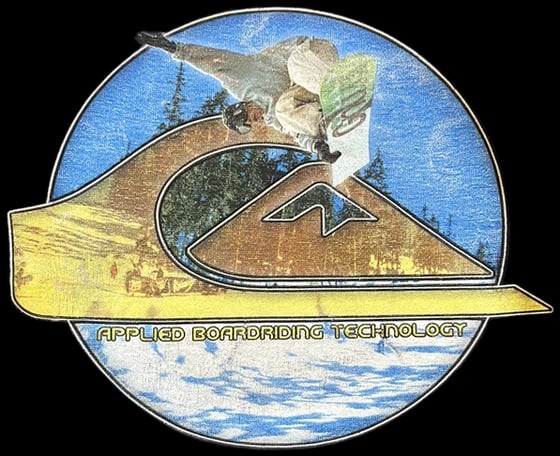
Quiksilver invented the modern board short. That's not marketing — it's history. Founded in Torquay, Australia in 1970, Quiksilver's original product was a pair of boardshorts made for serious surfers. By the Y2K era, the brand was sponsoring Kelly Slater — the most decorated surfer in history — and the mountain-and-wave logo was one of the most recognized marks in action sports.
The Y2K Quiksilver pieces carry that heritage directly. The boardshorts from this period are built with heavier fabric and bolder prints than anything the brand has produced since. The hoodies are thick and substantial — real fleece with the kind of construction that held up through actual outdoor use. The flannels and outerwear from this era have a Pacific Northwest surf aesthetic that felt authentic because it was.
Quiksilver's graphic language in the Y2K era was particularly strong. The mountain-and-wave logo appeared in countless variations — embroidered, screen printed, woven, applied — and the supporting graphics reflected a brand that understood its own heritage and wasn't afraid to reference it directly. Kelly Slater world title graphics, event-specific colorways, and regional designs that would never make it through a modern marketing committee.
The brand has since gone through bankruptcy and multiple ownership changes. The Quiksilver that exists today is a different company with the same name. The pieces from the Y2K era — when it was still the Quiksilver that Kelly Slater wore on tour — are the ones worth having.
**What to look for:** Y2K Quiksilver hoodies with mountain-and-wave embroidery, boardshorts with bold prints and the classic script logo, and flannels with the brand's distinctive Pacific surf aesthetic.
OTHER BRANDS WORTH KNOWING
### Rip Curl
Founded the same year as Quiksilver in the same town — Torquay, Australia — Rip Curl was Quiksilver's closest rival throughout the Y2K era. The brand sponsored its own world tour surfers and produced technical surf apparel that competed directly with the big three. Y2K Rip Curl pieces are slightly less common than Billabong or Quiksilver, which makes clean examples more valuable. The hoodies from this period are particularly good — heavy fleece with embroidered logos and event-specific graphics tied directly to the world surf tour.
### Rusty
Rusty was the cult brand of the Y2K surf era — respected by the core, less known outside it. The graphics were louder, the construction was serious, and the brand had a reputation for quality that was well-earned. Y2K Rusty hoodies are among the harder finds from this period precisely because the brand had a smaller production run and the people who owned the pieces wore them hard. Finding one in clean condition is a genuine score.
### Oakley
Y2K Oakley sits at the intersection of surf and action sports — a brand that was deeply embedded in both worlds before it got acquired and went mainstream. The apparel from this period reflects a brand that was still operating with its original ethos: technical, bold, uncompromising. The hoodies and outerwear from the Y2K era carry that identity clearly. These are pieces from before the brand got sanitized.
### Stüssy
Y2K Stüssy occupies a different space — the intersection of surf, skate, and street that the brand invented in the 1980s. By the Y2K era, Stüssy was the bridge between surf culture and what was becoming mainstream streetwear. The hoodies from this period are script-logo-forward, heavy, and built with the same quality that defined the brand's earlier work. These are the pieces that connected surf to the broader culture that eventually became streetwear's mainstream moment.
WHY Y2K SPECIFICALLY
The Y2K window matters because it sits at a specific cultural inflection point. The brands were at the height of their influence and quality — past the rawness of the early 90s but before the corporate dilution of the mid-2000s. The graphics were at their most ambitious. The construction was still built for surfers. The cultural moment was real.
After 2004, things changed. Brands started chasing fashion. Materials got cheaper. The connection to actual surf culture weakened as the brands went public, got acquired, or tried to become lifestyle labels for people who'd never seen the ocean. The pieces from before that shift are the ones that carry real weight.